
Stop Your Toenail Fungus

Have you noticed discoloration of your toenails? Have they become thickened or brittle? If so, you may be experiencing symptoms of a fungal nail infection. For some, having a fungal nail can be embarrassing. Overcome your embarrassment, and get treated.

How Aging Feet Can Increase Fall Risk

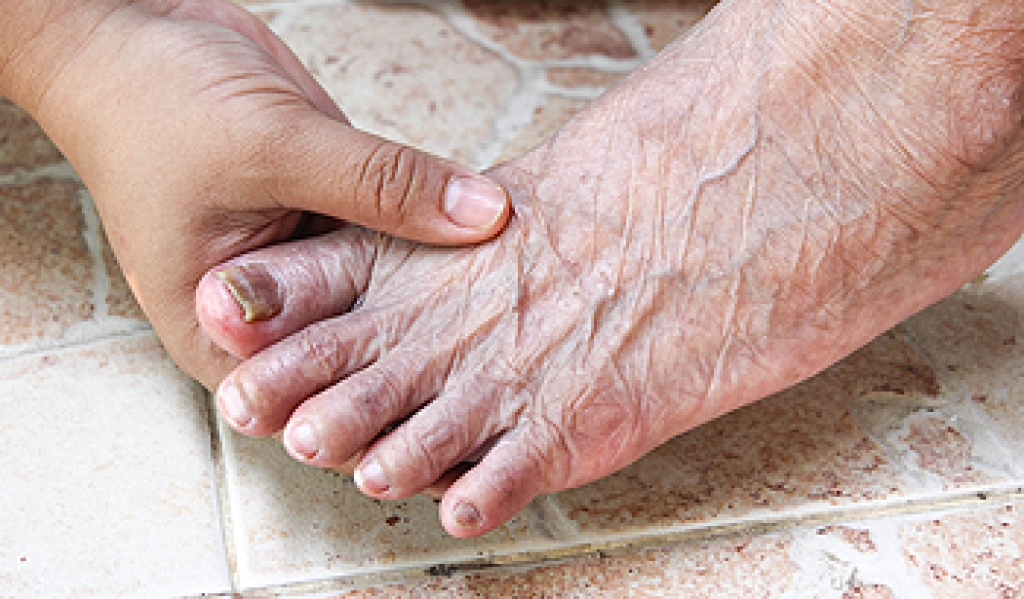
As people age, changes in the lower limbs can quietly raise the chance of losing stability and stumbling. Reduced muscle power in the toes, along with stiff joints, can alter walking patterns and slow reactions. Ill-fitting shoes or worn soles further increase the likelihood of trips. Many seniors also develop sensory loss, making it harder to detect surfaces and obstacles. Targeted care can help, including tailored exercises for the lower limbs and guidance on properly fitted, supportive shoes. Regular assessment allows early identification of issues and timely management. Addressing these factors can improve confidence during daily activities and lower injury risk. Podiatrists can recommend skin care, orthoses, and routine nail maintenance, while coordinating with other clinicians to support safer movement and independence at home and in the community. If you are a senior and have developed foot pain or are looking for additional fall prevention tips, it is suggested that you schedule routine visits with a podiatrist.

Preventing falls among the elderly is very important. If you are older and have fallen or fear that you are prone to falling, consult with one of our podiatrists from DM Foot & Ankle Associates . Our doctors will assess your condition and provide you with quality advice and care.

Every 11 seconds, an elderly American is being treated in an emergency room for a fall related injury. Falls are the leading cause of head and hip injuries for those 65 and older. Due to decreases in strength, balance, senses, and lack of awareness, elderly persons are very susceptible to falling. Thankfully, there are a number of things older persons can do to prevent falls.

How to Prevent Falls

Some effective methods that older persons can do to prevent falls include:

  • Enrolling in strength and balance exercise program to increase balance and strength
  • Periodically having your sight and hearing checked
  • Discuss any medications you have with a doctor to see if it increases the risk of falling
  • Clearing the house of falling hazards and installing devices like grab bars and railings
  • Utilizing a walker or cane
  • Wearing shoes that provide good support and cushioning
  • Talking to family members about falling and increasing awareness

Falling can be a traumatic and embarrassing experience for elderly persons; this can make them less willing to leave the house, and less willing to talk to someone about their fears of falling. Doing such things, however, will increase the likelihood of tripping or losing one’s balance. Knowing the causes of falling and how to prevent them is the best way to mitigate the risk of serious injury.  

If you have any questions, please feel free to contact our office located in Lemont, IL . We offer the newest diagnostic and treatment technologies for all your foot care needs.
Read more about Falls Prevention

Plantar Wart Removal and What to Expect

Plantar warts are growths on the bottom of the foot caused by a virus that enters through small breaks in the skin. They can feel like stepping on a pebble and may become painful with pressure. Treatment depends on size, number, and how long they have been present. Over-the-counter options may help in early cases, but stubborn warts often need professional care. A podiatrist may use methods such as freezing, topical medications that break down the tissue, or gentle removal of thickened skin to reduce discomfort and improve treatment success. Sometimes more than one visit is needed, as these growths can be persistent. Keeping the area clean, dry, and protected can also support healing. If you notice a painful spot on the bottom of your foot that does not go away, it is suggested that you see a podiatrist for a proper diagnosis and appropriate care.

Plantar warts can be very uncomfortable. If you need your feet checked, contact one of our podiatrists from DM Foot & Ankle Associates . Our doctors will assist you with all of your foot and ankle needs.

About Plantar Warts

Plantar warts are the result of HPV, or human papillomavirus, getting into open wounds on the feet. They are mostly found on the heels or balls of the feet.

While plantar warts are generally harmless, those experiencing excessive pain or those suffering from diabetes or a compromised immune system require immediate medical care. Plantar warts are easily diagnosed, usually through scraping off a bit of rough skin or by getting a biopsy.

Symptoms

  • Lesions on the bottom of your feet, usually rough and grainy
  • Hard or thick callused spots
  • Wart seeds, which are small clotted blood vessels that look like little black spots
  • Pain, discomfort, or tenderness of your feet when walking or standing

Treatment

  • Freezing
  • Electric tool removal
  • Laser Treatment
  • Topical Creams (prescription only)
  • Over-the-counter medications

To help prevent developing plantar warts, avoid walking barefoot over abrasive surfaces that can cause cuts or wounds for HPV to get into. Avoiding direct contact with other warts, as well as not picking or rubbing existing warts, can help prevent the further spread of plantar warts. However, if you think you have developed plantar warts, speak to your podiatrist. He or she can diagnose the warts on your feet and recommend the appropriate treatment options.

If you have any questions, please feel free to contact our office located in Lemont, IL . We offer the newest diagnostic and treatment technologies for all your foot care needs.

Read more about All About Plantar Warts

Painful Toenails

Various toenail conditions can lead to discomfort, often resulting from injury, infection, or underlying skin issues. One of the most common problems is an ingrown toenail, which can become increasingly painful if not addressed. An ingrown toenail occurs when the edge of the nail grows into the surrounding skin, causing redness, swelling, and tenderness along the nail border. The area may feel especially sore when pressure is applied, such as while wearing shoes, and infection may develop with drainage or warmth. Factors that contribute to this condition include trimming the nails too short, tight footwear, previous injury, or naturally curved nails. A podiatrist can assess the condition and recommend appropriate care. Treatment may involve removing the ingrown portion, providing guidance on proper nail trimming, or performing a minor procedure to help prevent recurrence. Prompt care can ease discomfort and reduce the risk of infection. If you have an ingrown toenail or other nail concerns, it is suggested that you make an appointment with a podiatrist.

Ingrown toenails may initially present themselves as a minor discomfort, but they may progress into an infection in the skin without proper treatment. For more information about ingrown toenails, contact one of our podiatrists of DM Foot & Ankle Associates . Our doctors can provide the care you need to keep you pain-free and on your feet.

Ingrown Toenails

Ingrown toenails are caused when the corner or side of a toenail grows into the soft flesh surrounding it. They often result in redness, swelling, pain, and in some cases, infection. This condition typically affects the big toe and may recur if it is not treated properly.

Causes

  • Improper toenail trimming
  • Genetics
  • Improper shoe fitting
  • Injury from pedicures or nail picking
  • Abnormal gait
  • Poor hygiene

You are more likely to develop an ingrown toenail if you are obese, have diabetes, arthritis, or have any fungal infection in your nails. Additionally, people who have foot or toe deformities are at a higher risk of developing an ingrown toenail.

Symptoms

Some symptoms of ingrown toenails are redness, swelling, and pain. In rare cases, there may be a yellowish drainage coming from the nail.

Treatment

Ignoring an ingrown toenail can have serious complications. Infections of the nail border can progress to a deeper soft-tissue infection, which can then turn into a bone infection. You should always speak with your podiatrist if you suspect you have an ingrown toenail, especially if you have diabetes or poor circulation.

If you have any questions, please feel free to contact our office located in Lemont, IL . We offer the newest diagnostic and treatment technologies for all your foot care needs.

Read more about Ingrown Toenails

Risk Factors for Achilles Tendon Injuries

An Achilles tendon injury, commonly known as Achilles tendonitis, is a condition caused by inflammation of the tendon that connects the calf muscles to the heel. It often develops from overuse while walking and running. Symptoms include pain that is worse in the morning, swelling, and a warm to- the-touch sensation along the back of the ankle. Risk factors include tight calf muscles, improper footwear, and sudden increases in activity level. Without treatment, the condition can worsen and limit mobility. A podiatrist can provide diagnosis, recommend stretching and strengthening programs, and offer supportive care. If you have symptoms of this type of injury, it is suggested that you consult a podiatrist who can offer effective relief and treatment solutions.

Achilles tendon injuries need immediate attention to avoid future complications. If you have any concerns, contact one of our podiatrists of DM Foot & Ankle Associates . Our doctors can provide the care you need to keep you pain-free and on your feet.

What Is the Achilles Tendon?

The Achilles tendon is a tendon that connects the lower leg muscles and calf to the heel of the foot. It is the strongest tendon in the human body and is essential for making movement possible. Because this tendon is such an integral part of the body, any injuries to it can create immense difficulties and should immediately be presented to a doctor.

What Are the Symptoms of an Achilles Tendon Injury?

There are various types of injuries that can affect the Achilles tendon. The two most common injuries are Achilles tendinitis and ruptures of the tendon.

Achilles Tendinitis Symptoms

  • Inflammation
  • Dull to severe pain
  • Increased blood flow to the tendon
  • Thickening of the tendon

Rupture Symptoms

  • Extreme pain and swelling in the foot
  • Total immobility

Treatment and Prevention

Achilles tendon injuries are diagnosed by a thorough physical evaluation, which can include an MRI. Treatment involves rest, physical therapy, and in some cases, surgery. However, various preventative measures can be taken to avoid these injuries, such as:

  • Thorough stretching of the tendon before and after exercise
  • Strengthening exercises like calf raises, squats, leg curls, leg extensions, leg raises, lunges, and leg presses

If you have any questions please feel free to contact our office located in Lemont, IL . We offer the newest diagnostic tools and technology to treat your foot and ankle needs.

Read more about Achilles Tendon Injuries

Connect With Us